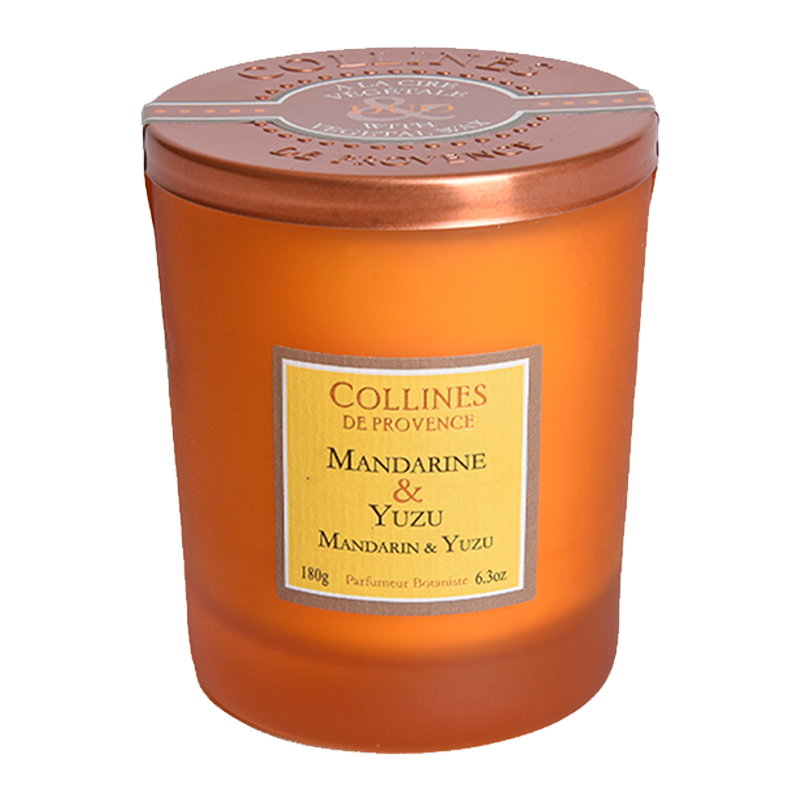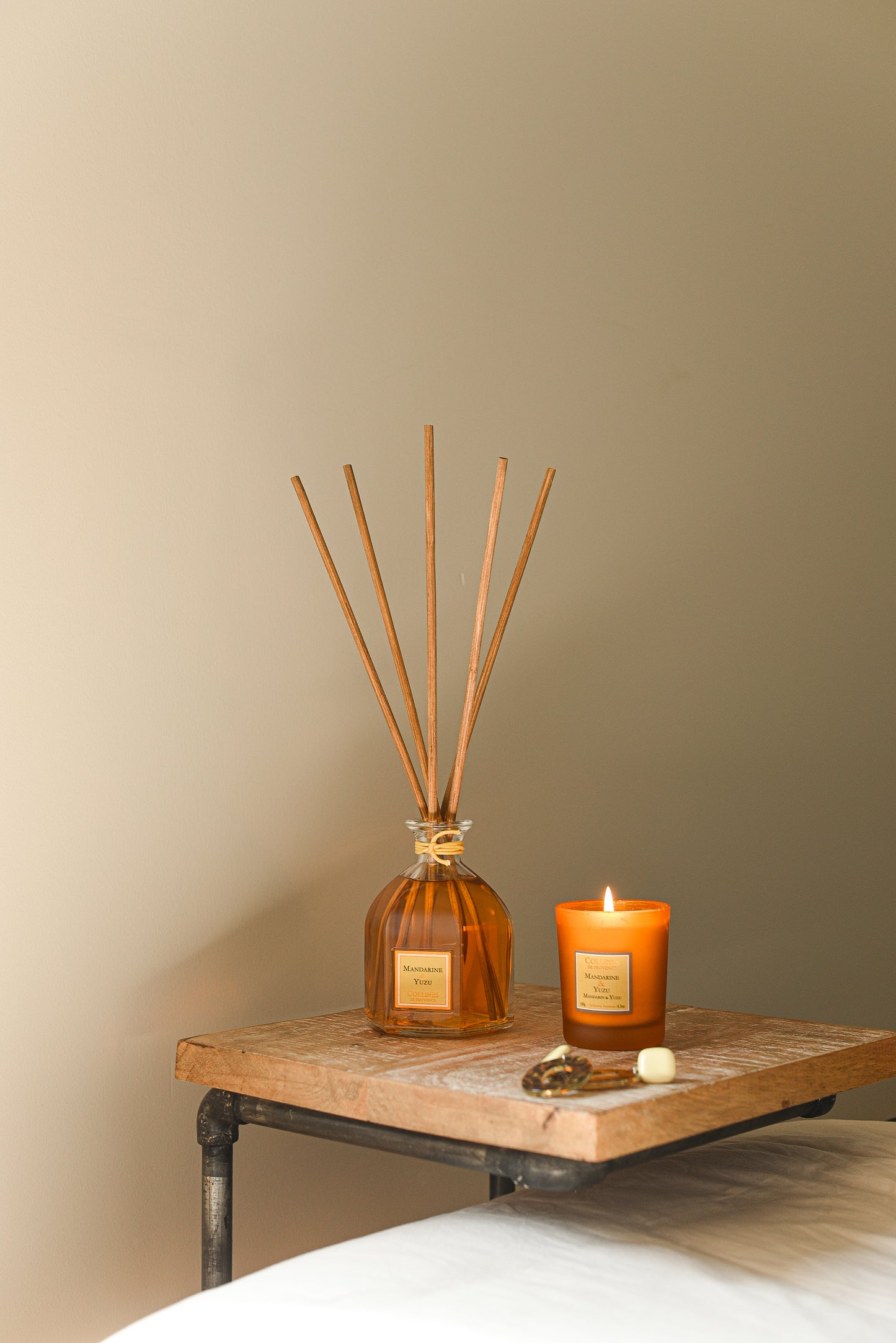


柑橘柚子香氛蠟燭
柑橘柚子香氛蠟燭
柑橘和柚子
定價
HK$155.00
定價
HK$310.00
售價
HK$155.00
單價
每
結帳時計算運費。
180克
無庫存
無法載入取貨服務供應情況
- 3-5 個工作天內送達
香味
香味
We value your satisfaction and aim to provide you with the best products. Below is our policy regarding exchanges and refunds:
Return Period: You may request a return within 30 days from the date of purchase.
Condition Requirements: Items must be unused, unworn, and in their original condition, including all original packaging, tags, and accessories.
Refund Restrictions: We reserve the right to refuse a refund if the item is not in its original condition.
Shipping Fees: We will not reimburse shipping fees, and the cost of return shipping will be your responsibility.
Refund Amount: Refunds will be issued for the total amount paid for the product (whether full price or discounted).
Proof of Purchase: A receipt or proof of payment is required for all refund requests.
How to Request a Refund
To request a refund, please email us at hello@botanibloom.com. We will respond within 48 hours, but please allow for a slower response rate on weekends and public holidays.
Damaged Products
If you receive a product that is damaged, please provide us with photographic proof of the damage. We will issue either a full refund or send a replacement product to you.
Inspection Requirement: In some cases, we may request that you return the damaged item for further inspection.
FRAGRANCE
FRAGRANCE
植物藥
植物藥
歷史
歷史
地理
地理